

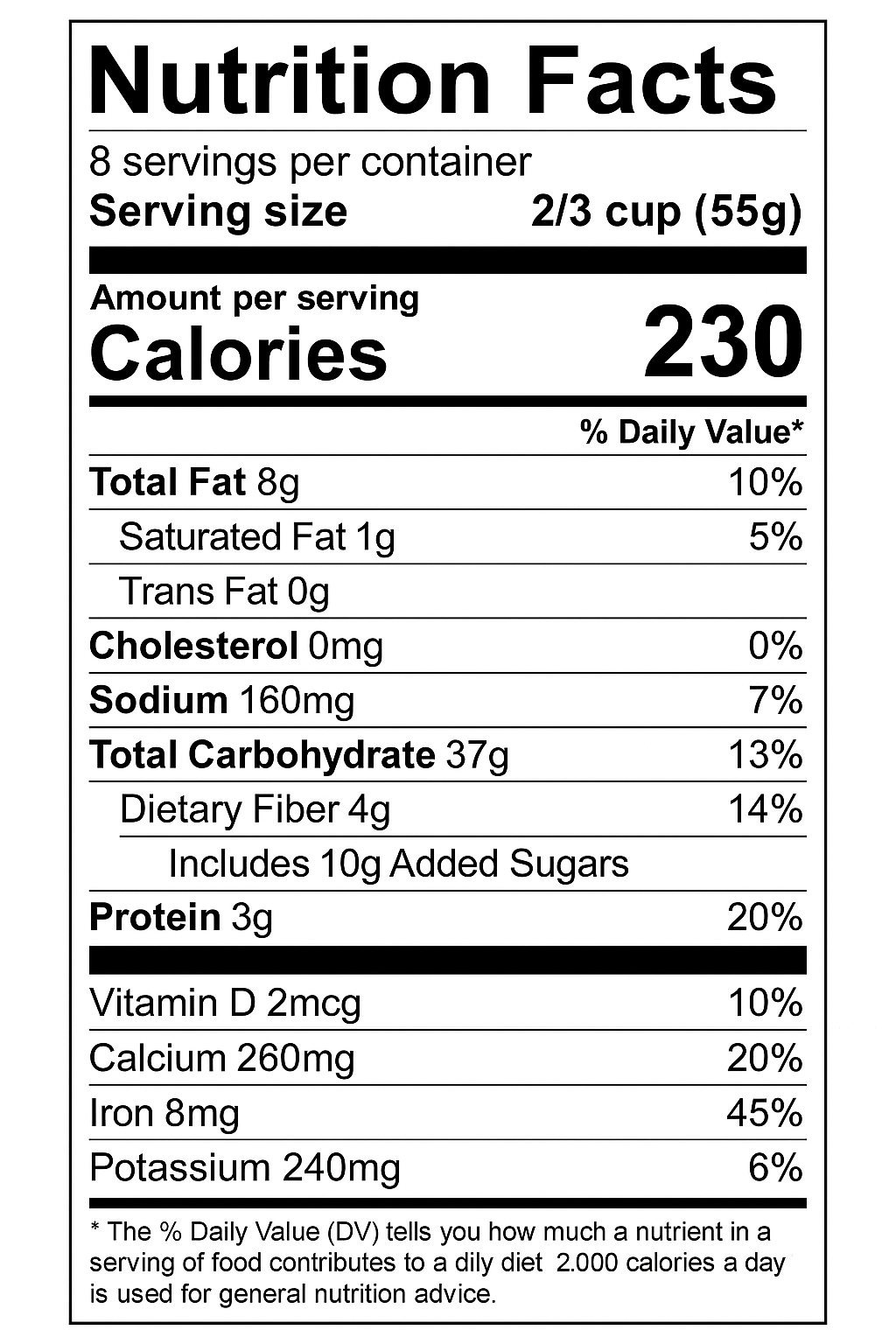
At Anagail Care Services, we believe that health education is the first step toward prevention and empowerment. As part of our wellness and nutrition awareness series, this month we’re shining a light on two hidden culprits in many common foods: saturated fat and trans fat.
You may have seen them listed on Nutrition Facts labels—but do you know why these fats matter and how to manage them in your daily diet?
🧂 Fat Facts: The Good, the Bad, and the Label
Fats are essential. Your body needs fat to absorb vitamins, support your brain, and keep your skin and hormones healthy. But not all fats are created equal.
Here’s the breakdown:
- Total Fat includes all fats—some helpful, some harmful.
- Saturated Fat is the type we want less of. It’s commonly found in fatty meats, full-fat dairy, butter, baked goods, and fried foods.
- Trans Fat is the worst offender—linked to heart disease and largely removed from the U.S. food supply. Still, you may find small amounts in older packaged goods or fried items.
🛑 Tip: A food is considered high in saturated fat if the label says 20% or more of the Daily Value. Aim to stay under 10% of your daily calories from saturated fat.
🍽️ Anagail’s Smart Swaps to Cut Back on Bad Fats:
✅ Choose lean meats like chicken or fish
✅ Trim visible fat and remove poultry skin
✅ Bake or steam instead of frying
✅ Use olive oil or avocado oil instead of butter
✅ Replace meat occasionally with beans, peas, or nuts
✅ Make your own dressings at home with simple ingredients
✅ Read labels—trans fat should always be zero grams
💬 Why It Matters
Too much saturated or trans fat in your diet raises your risk for high cholesterol, heart disease, and other chronic conditions. That’s why it’s important to check labels and make informed choices, especially if you’re managing your health or caring for a loved one.
At Anagail, we’re here not only to provide care—but to teach you how to protect your wellness every day.
Want help reading labels or planning meals that support your health goals?
Contact Anagail Care Services to speak with one of our health educators.